Blog
The Complete Guide to Makhana: India’s Ancient Superfood

# The Complete Guide to Makhana: India’s Ancient Superfood
In recent years, health-conscious individuals worldwide have been rediscovering an ancient Indian snack that has been cherished for centuries – **Makhana**, also known as fox nuts or lotus seeds. This humble snack from the waters of Bihar is now making waves in international health food markets, and for good reason.
## What is Makhana?
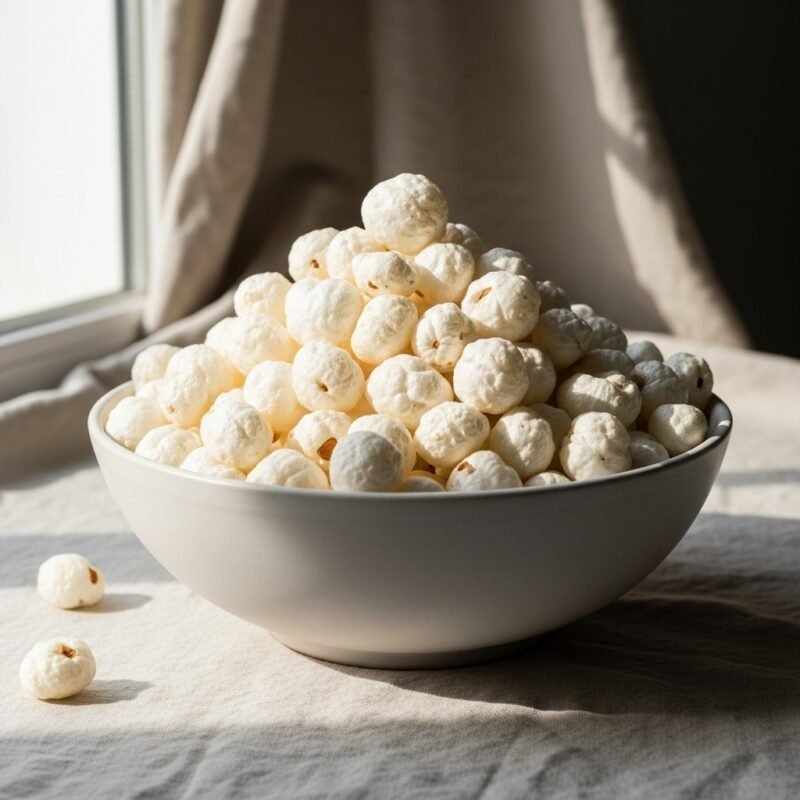
Makhana are the edible seeds of the Euryale Fox plant, which grows in stagnant water bodies, particularly in the wetlands of Bihar, India. These white, puffy seeds have been a staple in Indian households for generations, used in both culinary preparations and traditional Ayurvedic medicine.
## Nutritional Powerhouse
What makes makhana truly special is its impressive nutritional profile:
– **High in Protein**: Contains approximately 9-10% protein, making it an excellent vegetarian protein source
– **Low in Calories**: Perfect for weight management with only 347 calories per 100g
– **Rich in Antioxidants**: Packed with flavonoids that fight free radicals
– **High in Magnesium**: Essential for heart health and bone strength
– **Low Glycemic Index**: Ideal for diabetics as it doesn’t spike blood sugar levels
– **Gluten-Free**: Perfect for those with celiac disease or gluten sensitivity
## Health Benefits That Matter
### 1. Heart Health Champion
The high magnesium and low sodium content in makhana makes it an excellent snack for maintaining cardiovascular health. Regular consumption can help regulate blood pressure and reduce the risk of heart disease.
### 2. Weight Management Ally
With its high fiber content and low calorie count, makhana keeps you feeling full longer while providing sustained energy. It’s the perfect guilt-free snack for those watching their weight.
### 3. Diabetes-Friendly
The low glycemic index of makhana means it releases sugar slowly into the bloodstream, making it an ideal snack for diabetics.
### 4. Anti-Aging Properties
Rich in antioxidants, makhana helps fight the signs of aging by combating oxidative stress and promoting healthy, glowing skin.
### 5. Digestive Health
The high fiber content aids digestion and helps maintain a healthy gut microbiome.
## From Farm to Table: The Bihar Connection
Bihar, particularly the districts of Darbhanga, Madhubani, and Saharsa, produces approximately 90% of India’s makhana. The cultivation and processing of makhana provides livelihood to thousands of farmers and workers in these regions. Companies like **N.K. Makhana Udyog** are working to bring premium quality, hygienically processed makhana from these traditional production centers to consumers worldwide.
## How to Enjoy Makhana
The versatility of makhana is one of its greatest strengths:
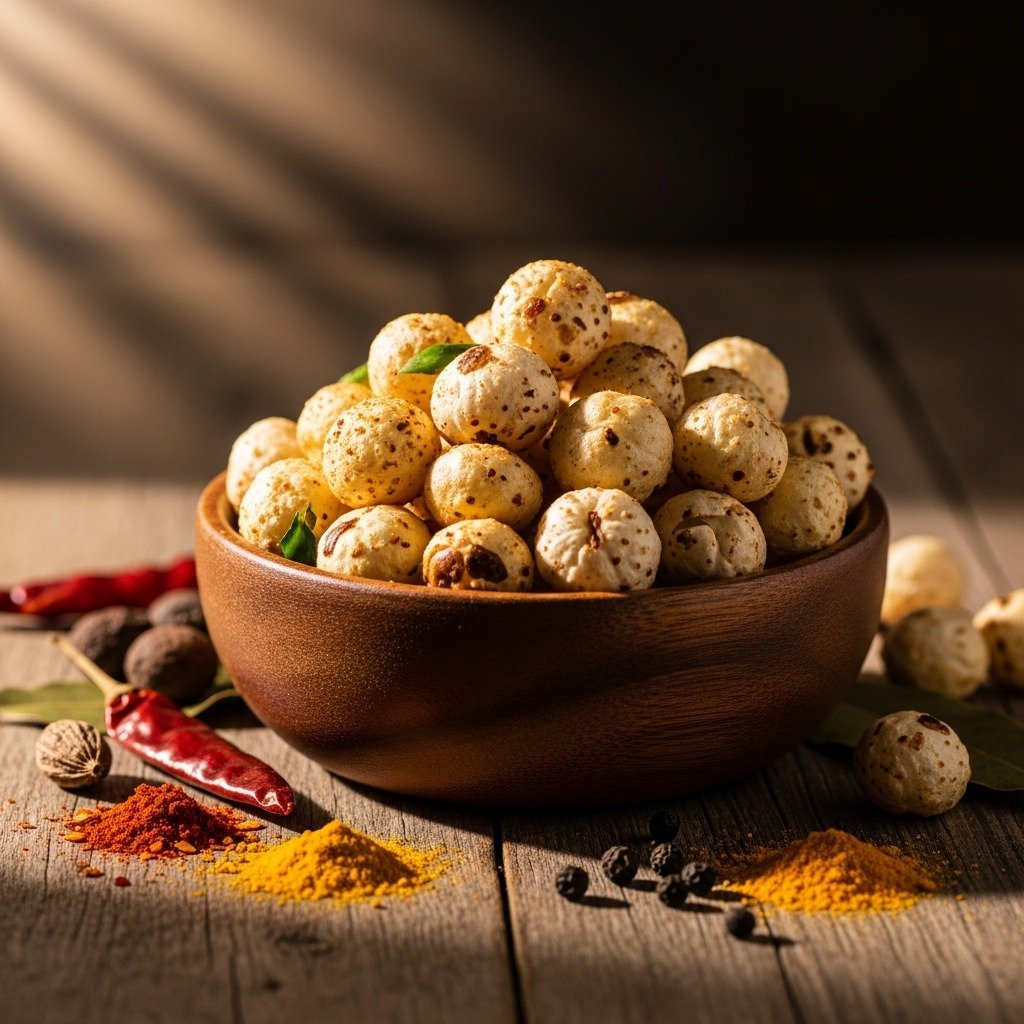
– **Roasted Snack**: Simply roast with a little ghee and your favorite spices
– **Sweet Treats**: Add to kheer (Indian rice pudding) or make makhana ladoos
– **Curries**: A popular ingredient in traditional Indian gravies
– **Trail Mix**: Combine with nuts and dried fruits for a healthy snack
– **Flavored Varieties**: Try modern flavors like peri-peri, pudina, or cheese
## Choosing Quality Makhana
When purchasing makhana, look for:
– White, uniform color
– Large, well-popped seeds
– Crisp texture (not rubbery)
– Pleasant, neutral aroma
– Proper packaging to ensure freshness
## The Future of Makhana
With increasing global awareness about healthy eating and the rise of plant-based diets, makhana is positioned to become a major player in the international snack market. Its sustainability, nutritional benefits, and versatility make it a perfect fit for modern health-conscious lifestyles.
## Conclusion
Makhana is more than just a snack – it’s a testament to India’s rich agricultural heritage and traditional wisdom. Whether you’re looking to manage your weight, improve heart health, or simply enjoy a delicious and nutritious snack, makhana deserves a place in your pantry.
As more people discover this incredible superfood, the humble fox nut from Bihar’s wetlands is proving that ancient wisdom and modern nutrition science can work hand in hand.